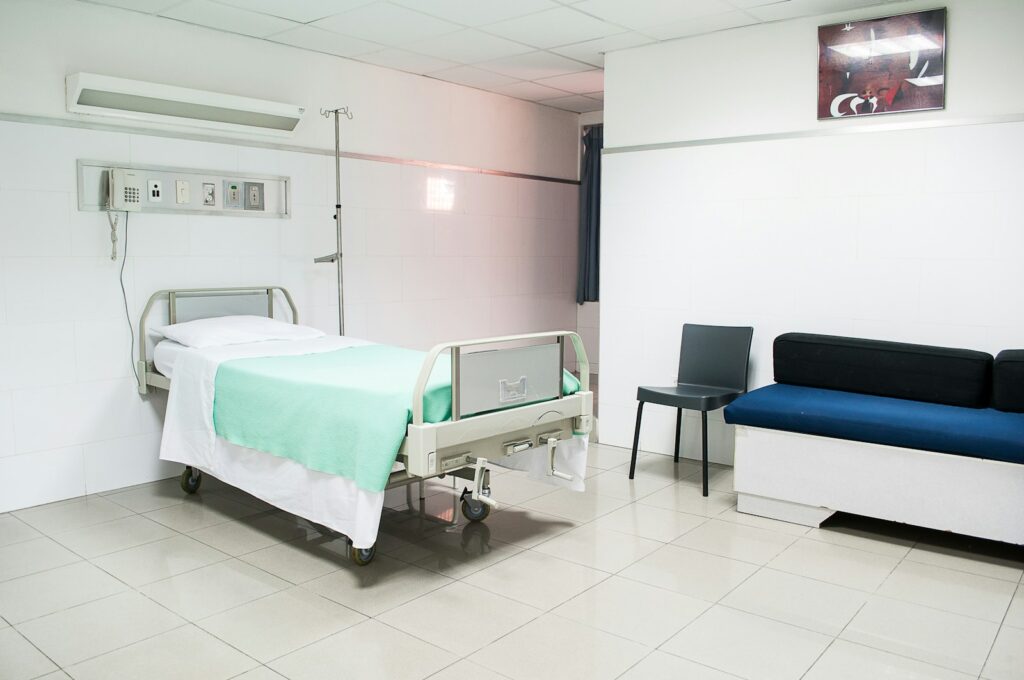
A new chapter for healthcare in Šibenik
Šibenik is a city known for its stone streets, UNESCO heritage, sea views and a lifestyle that still feels more human than hurried. But behind the postcard image, the city is also facing the same challenge as many historic European towns: how to modernise essential public services while preserving the character of the old urban centre.
One of the most important projects now moving forward is the construction of a completely new hospital for Šibenik-Knin County. Planned on the site of the former Bribirskih knezova military barracks, the future hospital is expected to become one of the most significant healthcare investments in the region.
For residents of Šibenik, this is not just another public building. It is a long-awaited project that could reshape access to healthcare, improve working conditions for medical staff and strengthen the city’s role as a regional centre between Zadar and Split.
Why does Šibenik need a new hospital?
The current hospital in Šibenik has served the city and the county for generations. Its location near the centre makes it familiar to locals, but also reveals its limits. The existing hospital complex is old, fragmented and no longer fully adapted to the standards of modern medicine.
Today’s healthcare system requires more than beds and operating rooms. It needs efficient logistics, safer buildings, better emergency access, modern diagnostic spaces, digital infrastructure, and comfortable conditions for both patients and staff. A historic pavilion-style hospital can be charming from the outside, but charm does not run an emergency department.
That is why the new hospital project is so important. It is designed to move Šibenik from a hospital inherited from another era to a purpose-built medical complex adapted to the needs of the 21st century.
Where will the new Šibenik hospital be built?
The planned location is the former Bribirskih knezova barracks site in Šibenik. This is a strategic choice because it allows the hospital to be built on a more suitable and spacious area than the current city-centre location.
A modern hospital needs space. Not only for buildings, but also for ambulance access, technical services, parking, logistics, future extensions and potentially a helipad. These are not luxury details. In a coastal county with islands, seasonal tourism and dispersed rural areas, fast and efficient emergency access can make a real difference.
The location also reflects a wider transformation of former military or underused urban zones in Šibenik. Instead of leaving such areas inactive, the city has the opportunity to turn them into public infrastructure with long-term value.
What will the new hospital include?
The final technical details will depend on the next phases of planning, permits and procurement, but the general objective is clear: Šibenik wants a modern medical complex capable of serving the city, the county and the wider region.
The project is expected to provide better conditions for doctors, nurses, technicians and other healthcare professionals. This point is essential. A hospital is not only a building; it is also a workplace. If Šibenik wants to retain and attract medical staff, the quality of the working environment matters.
The future complex is also expected to improve the patient experience. Modern hospitals are designed with better internal circulation, clearer departments, more efficient day-hospital services, improved diagnostics and more comfortable patient areas. For locals, this could mean less stress, better organisation and a higher standard of care closer to home.
A hospital for locals — and for a tourist region
Šibenik is not only a city of permanent residents. It is also a destination that receives a large number of visitors, boaters, seasonal workers and foreign property owners. In summer, the population pressure increases significantly across the coast and islands.
This makes healthcare infrastructure even more important. A modern hospital in Šibenik would not only serve people living in the city year-round. It would also support the broader Adriatic lifestyle: island communities, nautical tourism, family tourism, and the growing number of foreigners who spend part of the year in Dalmatia.
For anyone considering moving to Šibenik, buying property in the area or spending longer periods on the Croatian coast, healthcare access is a serious practical question. A new hospital would send a strong signal that Šibenik is not only a beautiful place to visit, but also a realistic place to live.
How much will it cost?
The exact cost will depend on the final design, equipment, market prices and the chosen construction model. Croatian media have reported estimates above €200 million, while earlier figures mentioned a project value close to €300 million.
This is clearly not a small investment. It is a capital project, and financing will likely involve a combination of state budget funds, possible international financing and European funding mechanisms. In other words, the project will not be built with one simple cheque. It will require coordination between the hospital, the City of Šibenik, Šibenik-Knin County, the Croatian Government and financing institutions.
That complexity should not be underestimated. But the fact that project management and preparation steps are now moving forward suggests that the new hospital is no longer just an old political promise repeated every few years. It has entered a more concrete phase.
What will happen to the old hospital?
One of the most interesting questions concerns the future of the current hospital site in central Šibenik.
According to local statements, the idea is not to abandon or sell the existing hospital area for apartments or tourism development. Instead, there have been proposals to keep a healthcare-related function there, such as palliative care, extended treatment or services for older people.
This would make sense for Šibenik. The city needs modern acute healthcare, but it also needs long-term care, elderly care and medical services adapted to an ageing population. Keeping the old hospital site within the healthcare system would preserve its public purpose while giving it a more suitable role.
Why this project matters for Šibenik’s future
The new hospital is more than a healthcare project. It is also a statement about the future of Šibenik.
For years, many coastal towns have focused mainly on tourism, apartments and summer consumption. But a real city needs more than restaurants and rental units. It needs schools, universities, transport, healthcare, housing, jobs and public services that function all year round.
A new hospital would strengthen Šibenik as a serious regional centre. It could help retain young medical professionals, support the development of health-related education, improve care for the islands and hinterland, and make the city more attractive for families, retirees and long-term residents.
It also fits into a broader question: what kind of city does Šibenik want to become? A seasonal destination only, or a Mediterranean city with strong public infrastructure and a future beyond tourism?
When could the new hospital be completed?
The timeline is still dependent on technical documentation, permits, financing and the final selection of contractors. Recent reports suggest that concrete works could begin in the coming years, with completion expected toward the end of the decade or in the early 2030s depending on the pace of implementation.
For a project of this size, patience will be necessary. Hospitals are among the most complex buildings to design and build. But for Šibenik, the important point is that the process has started moving from discussion toward implementation.
Final thoughts
For locals, the new hospital represents better care closer to home. For healthcare workers, it could mean a more professional and modern working environment. For visitors and foreign residents, it would improve confidence in Šibenik as a place to spend more time, invest or settle.
Šibenik has always had the beauty. Now it needs infrastructure that matches its ambitions.
If delivered properly, the new hospital could become one of the most important public projects in modern Šibenik — not because it will be the most photographed building in town, but because it will serve people when they need it most.
And in the end, that is what makes a city truly liveable.